A ten-ton crane rating does not mean the machine can lift ten tonnes at every boom length, radius, or hook arrangement. By the end, you will know how to read the load correctly, specify the right protection, verify an installation, and decide whether a basic indicator or a fuller monitored system suits your building site.
Key takeaways
- Zero the indicator before each lift and compare readings with the lift plan.
- Use the crane’s capacity chart to set limits; never rely on the display alone.
- Match sensor capacity, crane configuration, attachments, and lift conditions before installation.
- Commissioning must prove accurate readings, alarms, cut-outs, and reliable signal transmission.
What the operator sees during a real building lift
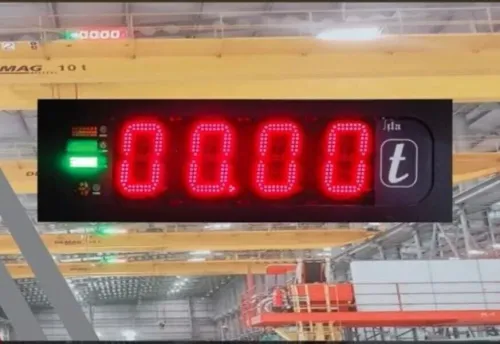
Before lifting a reinforcement cage, formwork assembly, HVAC unit, or bundled material, the operator checks the indicator at zero and compares the first reading with the lift plan. During hoisting, the display shows the measured hook load, giving the operator a live check when the actual weight is uncertain or changes with attachments.
- Confirm the hook block, slings, and load are clear of the ground.
- Lift a few centimetres, pause, and check the reading against the planned weight.
- Continue only while the display remains below the crane’s permitted capacity for that radius, boom length, and configuration.
- Stop, lower the load safely, and investigate if the warning alarm sounds or the cut-out inhibits a movement.
The ten-ton rating means the indicator can measure up to its specified 10-ton capacity; it does not give the crane permission to lift 10 tonnes everywhere. The crane’s capacity chart, operating radius, boom or span, hook block, attachments, and weakest lifting component set the actual limit.
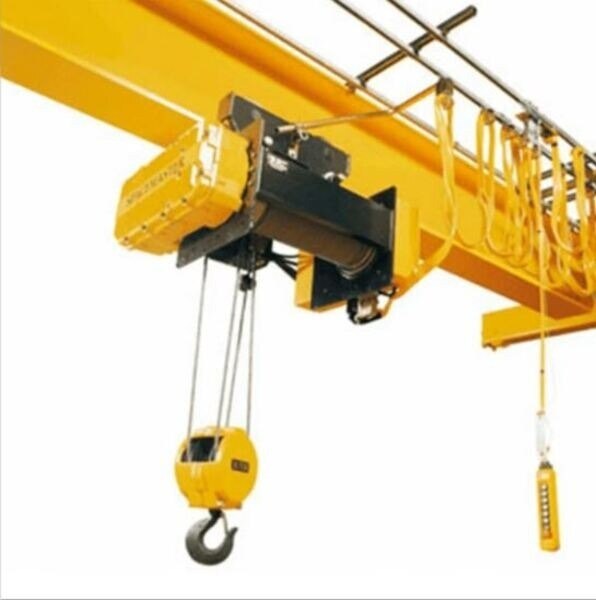
A sensor in multi-fall reeving measures rope tension at its installation point, so the displayed hook load depends on the number of supporting rope parts and correct reeving.
The display does not prove that the load is centred, evenly slung, free from snags, or stable in wind. Those checks remain part of the lift plan and rigging work.
These are the ten ton crane load indicator benefits for builders in Pune: a visible weight check for variable loads, not a replacement for competent lifting control.
Why the display cannot replace the crane’s capacity chart
A load-indicator display cannot tell you that every lift is safe. The crane’s rated-capacity chart makes that decision by linking allowable load to boom length, operating radius, span, hook block, attachments, and the weakest component in the lifting path.
The lifted load is the force currently carried by the hook. Load moment combines that load with its horizontal distance from the crane’s centre of rotation. A smaller load at a long radius can therefore create more overturning demand than a heavier load close to the crane.
A “10-ton” indicator describes its measurement range; it does not authorise a 10-ton lift at every position.
The four functions work together in this order:
- The operator checks the chart for the crane’s exact configuration and radius.
- The indicator shows the current lifted load and, where configured, the calculated load moment.
- A warning alarm alerts the operator as the measured value approaches the configured limit.
- A limiter can inhibit hoisting, booming, or slewing after the threshold is reached; a display alone cannot.
For crane overload protection for builders in Pune, treat the cut-out as the last protective layer, not as lift planning. It cannot correct side pulling, a snagged load, weak ground, poor sling angles, load swing, or wind instability.
Setpoints must reflect the chart, sensor location, tare, scaling, and crane controls—not the nameplate alone—and record them in the handover documents.
How to match the indicator to the crane and the lift
A 10-ton display is not proof that your crane can lift 10 tonnes. Match the indicator to the crane’s type, hoist arrangement, rope reeving, rated-capacity chart, and weakest component in the lifting path before choosing builder crane safety equipment in Pune.
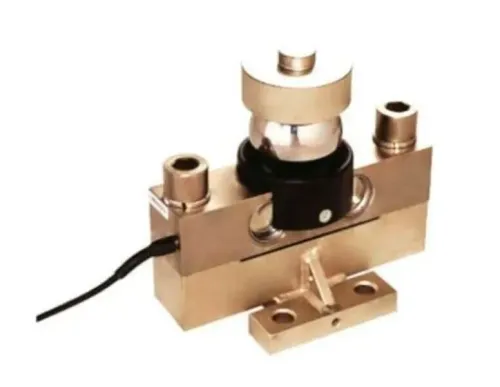
1. Identify the sensing point. Choose a load cell or load pin for a design that provides a suitable hook or rope-end location; choose a rope-tension sensor only when its reeving arrangement and line pull match the crane. Hydraulic-pressure measurement suits cranes with a compatible hydraulic circuit, not an electric hoist by default.
2. Confirm the installation details. Record the hook block configuration, number of rope falls, sensor capacity and overload rating, cable length, display position, mounting space, power supply, operating temperature, and environmental rating. Check whether the crane control panel accepts the indicator’s relay outputs and control voltage.
3. Specify the measurement clearly. Require the accuracy basis, resolution, display units, calibration method, alarm set points, warning relay, overload relay, and whether the cut-out inhibits hazardous movements. Ask SMARTITA PRIVATE LIMITED to state these values for the proposed crane, not only the maximum display value.
4. Select the system type. A local display suits a straightforward retrofit and gives the operator an immediate reading; a monitored system adds event logging, remote diagnostics, or site-control integration but brings configuration, network maintenance, and cybersecurity work.
Check IS 807 for the crane type and IS 3177 for electric overhead travelling or gantry cranes where applicable. Treat the cut-out as a last protective layer: it cannot detect side pulling, snagged loads, poor sling angles, unstable ground, load imbalance, or wind-driven instability.
Related products
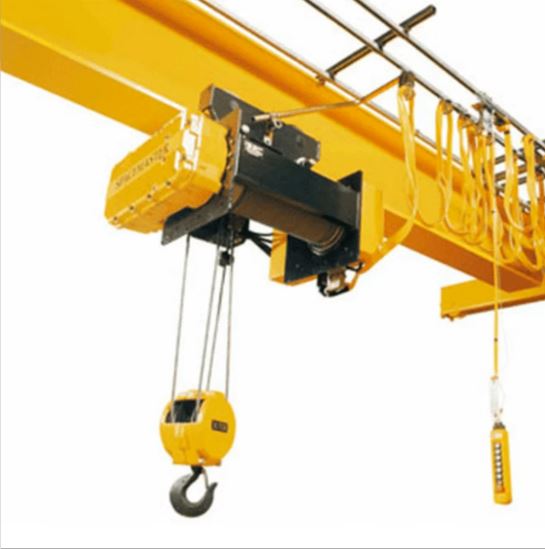 | Crane Load Indicators ₹48000 Price: ₹48,000/Piece The 10 Ton Crane Load Indicator from SmartITA Pvt. Ltd. View product → |
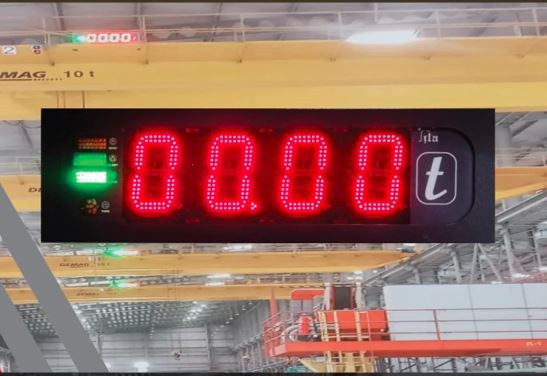 | Safe Load Indicator ₹48000 Price: ₹48,000/Piece The 10 Ton Safe Load Indicator (SLI) from SmartITA Pvt. Ltd. View product → |
What proper installation and commissioning must prove
A proper installation is accepted only when it measures a known test load, triggers the specified warning, and produces the intended crane response. A powered display alone proves nothing.
- Sensor: Confirm the load cell or rope-tension sensor is mounted at the specified measurement point, with correct rope reeving, alignment, protection, and signal wiring. Compare its output with the actual lifting arrangement and tare condition.
- Alarm and cut-out: Test the warning threshold and verify the exact action: audible or visual alarm, hoist inhibit, or selected-motion cut-out. Record what remains available so stopping the crane does not create a suspended-load hazard.
- Calibration: Obtain an initial calibration certificate using a traceable test method. Use a competent laboratory; ISO/IEC 17025 accreditation is a useful procurement criterion. Record test loads, sensor scaling, tare, thresholds, and the as-installed results.
- Crane interface: Prove the power supply, controller input, relay logic, emergency-stop relationship, display location, and fault indication. Disconnect the sensor, interrupt its supply, and simulate invalid data to confirm a defined alarm or inhibit state rather than silent operation.
Set thresholds against the applicable rated-capacity limit, measurement location, dynamic response, and crane control logic—not the nameplate alone. Protect final settings from casual alteration.
For a construction load indicator in Pune, require re-verification after sensor replacement, rope-path changes, overload events, repairs, or unexplained drift. Check IS 807 or IS 3177 only where applicable to the crane type; citing either standard does not prove this installation complies.
The checks that keep a measured lift trustworthy
Before each shift, the operator and appointed site person must inspect the indicator with the hook empty. A display that fails to return to zero, jumps without movement, or shows a different reading after power-up makes every later lift questionable.
- Check the load cell or rope-tension sensor for looseness, impact damage, bending, corrosion, and debris.
- Inspect cables, plugs, junction boxes, and glands for cuts, crushed insulation, water entry, or loose connections.
- Confirm the display is readable, securely mounted, powered correctly, and showing the selected unit.
- Test the audible and visual alarms, relay outputs, and hoist cut-out according to the commissioning procedure; record the result.
- Compare the planned load, radius, and crane chart before hoisting, then watch the reading during the first lift.
These checks are where ten ton crane load indicator benefits for builders in Pune become practical. The equipment measures force; it does not confirm sound slings, a balanced centre of gravity, firm ground, or a clear load path.
Crane overload protection for builders in Pune starts with a firm response to a warning: stop hoisting, keep people outside the exclusion zone, and lower the load only if that action is safe. Re-rig or reassess the load and radius; never bypass the alarm or cut-out.
Remove the crane from service for a failed cut-out, erratic reading, damaged sensor or wiring, failed brakes, defective hook or rope, structural damage, unsafe ground, or wind beyond the lift plan. Record the defect and release the crane only after a competent person verifies the repair.
Frequently asked questions
What does the operator see during a building lift?
The operator sees the measured hook load on the display and compares the initial reading with the lift plan before hoisting.
Can a load indicator replace the crane’s capacity chart?
No. The indicator measures load, while the crane’s capacity chart sets allowable capacity for the configuration, radius, boom length, and operating conditions.
How do you match a ten-ton indicator to a crane and lift?
Check the crane’s rated capacity, reeving arrangement, sensor capacity, hook block, lifting attachments, expected load, and lift-plan conditions before selection.
What must installation and commissioning prove?
Commissioning must verify the load reading, zero function, alarm thresholds, overload cut-out, display visibility, cable or radio signal, and response under a controlled test load.
Related product
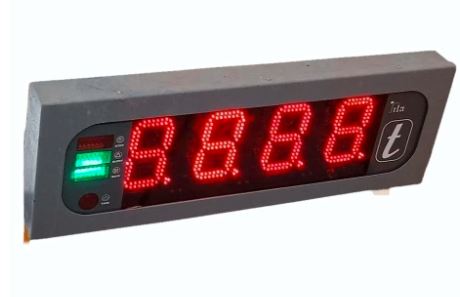 | Load Moment Indicators 10 Ton Load Moment Indicator (LMI) ₹48000 Load Moment Indicators of a wide range of products which include 10 ton load moment indicator, 50 ton load moment indicator, 20 ton load moment... View product → |