A Pune quotation for an IoT-integrated safe load indicator can range from about ₹1.5 lakh to more than ₹10 lakh per crane because the sensor, crane geometry, local protection logic and data platform are priced separately. You will be able to separate one-time hardware and installation charges from recurring costs, test competing quotations and identify whether you need a load display, overload limiter or complete rated-capacity system.
Key takeaways
- Treat ₹25,000–₹87,000 listings as indicator-unit prices only.
- Demand separate prices for sensors, installation, connectivity, cloud software and engineering.
- Confirm offline overload protection works when power, network or cloud access fails.
- Request calibration certificates, test records, wiring drawings and crane-specific load charts.
What a complete IoT safe-load system costs in Pune
₹25,000–₹87,000 catalogue prices usually describe the indicator unit only. Confirm that each quoted unit covers local measurement and display hardware, not 4G connectivity, cloud software, installation, crane-specific engineering or overload logic. That distinction drives the safe load indicator crane cost in Pune.
1. Request separate prices for the indicator or limiter, load cells, angle or radius sensors, junction boxes, local display or panel, gateway, wiring and cable glands, 4G SIM or other connectivity, dashboard, data storage, installation, crane downtime, calibration, commissioning, training, GST and annual support.
2. Budget ₹1.5–3.5 lakh before GST for a single-girder overhead crane with a basic sensor, local display, selected limit inputs and gateway. Tower cranes, mobile cranes, multi-crane networks and geometry-heavy systems requiring boom length, radius or wind inputs can exceed ₹4–10 lakh per crane.
These are budgetary ranges, not regulated prices; a site survey controls the final quotation.
3. For an IoT system integration example, one-time costs could be: indicator/limiter ₹35,000; load cell ₹45,000; angle and limit sensors ₹18,000; junction boxes and cabling ₹27,000; display and gateway ₹45,000; installation and downtime ₹30,000; calibration, commissioning and training ₹25,000—₹2.25 lakh before GST.
Annual charges might be connectivity ₹12,000, dashboard and storage ₹24,000, calibration ₹18,000 and maintenance ₹20,000. Require each recurring charge separately.
What IoT integration includes and how the crane stays safe offline
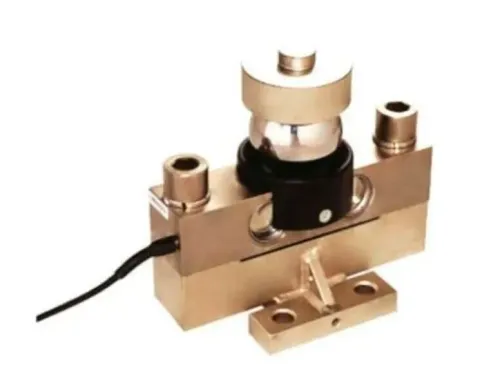
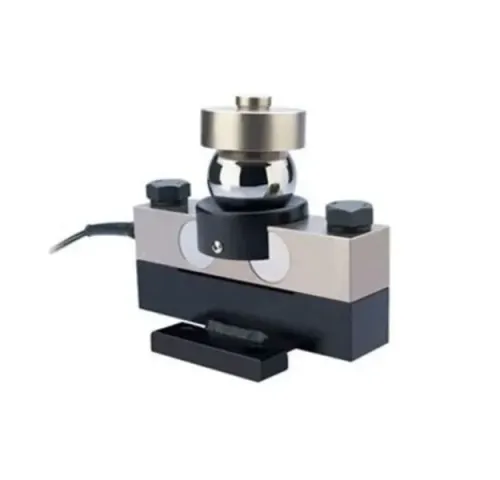
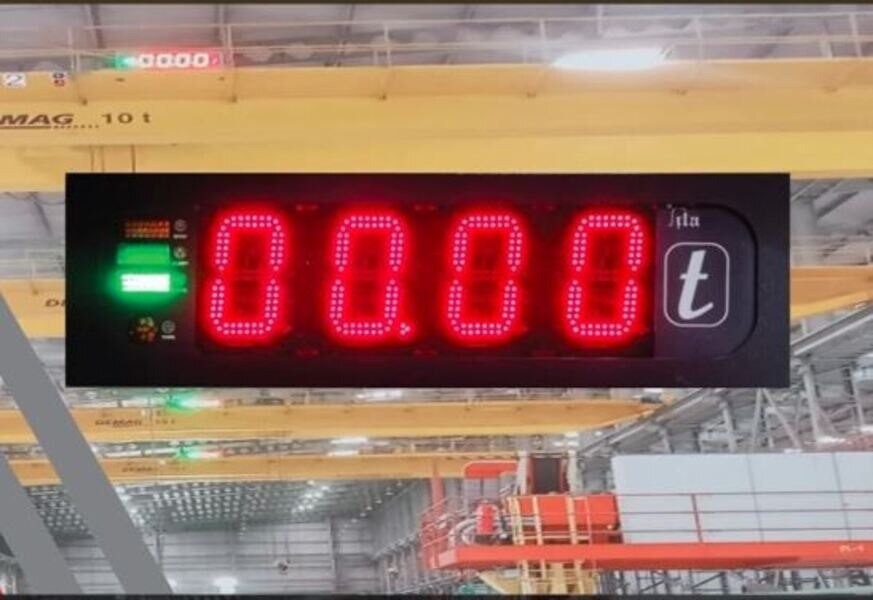
An iot system for crane monitoring in pune starts at the load cell, angle, boom-length, radius, trolley-position, wind and limit inputs. A signal conditioner scales and isolates them; an edge controller or gateway calculates status while a local indicator shows load and alarms.
The communications link sends data to a dashboard, alerts, user accounts, storage and reports.
| Option | Best fit | Limitation |
|---|---|---|
| 4G SIM | Moving outdoor cranes and sites without fixed networks | Weak indoor coverage and recurring data charges |
| Wi-Fi | Indoor coverage with reliable site access points | Roaming cranes and cybersecurity controls complicate deployment |
| Ethernet | Fixed factory networks | Cable routing and port security restrict moving equipment |
| RS-485 with Modbus RTU/TCP | Long runs, noisy plants and PLC integration | Define scaling, isolation, update rate and timeout response |
| CAN | Distributed mobile-crane sensors | Requires compatible controllers and termination |
| 4–20 mA | Simple, noise-resistant analogue signals | Carries less diagnostic information |
| Discrete relay contacts | Limit, alarm and shutdown interfaces | Requires monitored, defined fail-safe wiring |
MQTT is messaging, not a safety standard. Require TLS, unique device identity, certificate or key rotation, topic-level authorisation, buffered records during outages, time synchronisation and controlled, authenticated firmware updates.
Cellular, Wi-Fi, Ethernet, cloud or MQTT failure must not disable local alarm or overload cut-off logic. The cloud belongs to trends, fleet reports, maintenance records and remote alerts.
A standard Modbus register is not automatically a safety-rated trip circuit. A correctly designed and monitored relay circuit can provide defined fail-safe behaviour for broken wiring or lost power; specify that state in the design.
How crane type and geometry change the specification and price
A quote needs crane geometry, operating conditions and control interfaces before anyone can price the correct system. Provide:
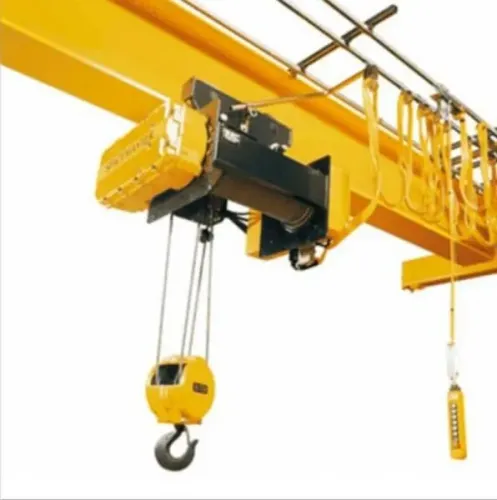
- Crane type, rated capacity, number of falls, rope or hydraulic arrangement and load-cell location
- Lifting speed, duty cycle, indoor or outdoor location, power supply, network signal and control voltage
- Travel limits, available shutdown interfaces, trolley position, boom angle, boom length and radius requirements
| Equipment | What it does | When it applies |
|---|---|---|
| Hook-load display | Shows measured suspended load | Fixed-geometry cranes needing local indication |
| Safe load indicator | Shows load against permissible capacity and may warn or trip | Cranes requiring capacity guidance and overload protection |
| Load moment indicator | Calculates allowable load from geometry and rated-capacity charts | Mobile or tower cranes with changing angle, length or radius |
| Overload relay | Provides an alarm or motion cut-off | Protection only; it does not necessarily provide guidance, trends or reports |
| Crane data logger | Records loads, alarms and events | Investigations, maintenance and reporting; it does not protect the crane |
| Basic weighing display | Displays weight without crane-limit logic | Weighing tasks where geometry does not alter capacity |
A load moment system is essential when permissible load changes with boom angle, boom length, radius or configuration. A simple weighing display is unsuitable for geometry-dependent mobile or tower cranes.
The system must measure or correctly select rope reeving, trolley position, boom angle, radius, configuration and changing rated-capacity tables. Ask the supplier to state which geometry functions are supported, which are unnecessary for your crane, and how authorised users approve configuration changes. This distinction matters when comparing safe load indicators for cranes in Pune.
What to demand in testing, calibration and compliance documents
A low quotation is defensible only when it includes evidence that the complete crane installation was engineered, calibrated, tested and documented—not merely a factory load-cell certificate.
1. Demand a crane-specific wiring diagram, sensor-mounting drawings, signal scaling, alarm thresholds, rated-capacity or limiter logic, failure-mode table, commissioning test sheet and operator-training record. The documents must identify what happens after power loss, cable break, sensor drift or controller failure.
2. Separate transducer accuracy from installed-system accuracy. Require traceable calibration of the complete measurement chain, including reeving, shackles, off-axis loading, temperature, cable routing and amplifier resolution. A certificate for the load cell alone does not validate the reading at the hook.
3. Put sampling rate, peak capture, filtering delay, alarm hysteresis and sensor-failure response into the acceptance test. Test shock loads, acceleration and sway so averaging does not hide a short overload, while hysteresis prevents nuisance trips from becoming accepted practice.
4. Specify the enclosure and cable protection for the actual Pune location. Reference IEC 60529 for ingress protection, then separately state requirements for impact, UV, condensation, dust, chemicals and monsoon water exposure; an IP rating does not prove resistance to those hazards.
5. Identify the applicable requirements and require a compliance map to IS 3177:2020 for electric overhead travelling and gantry cranes and IS 807 for crane and hoist design, erection and examination. Factories Act, 1948, Section 29 duties for competent-person examination and maintenance records remain separate from an IoT dashboard and its event logs.
How to compare Pune suppliers and recurring ownership cost
A quotation is comparable only after you identify who designs, supplies, installs and accepts the system. Ask every bidder to name the indicator manufacturer, firmware owner, sensor and gateway brands, serial-number traceability, calibration and repair location, spare-parts lead time, software owner, subscription-renewal terms and party responsible for final acceptance.
| Role | What to verify | Cost risk |
|---|---|---|
| OEM | Owns design, firmware and revisions | Parts or support may be tied to one maker |
| Integrator | Engineers sensors, gateway and dashboard | Scope gaps between suppliers |
| Distributor | Resells a named imported instrument | Limited firmware or repair control |
| Installer | Mounts and wires supplied equipment | No responsibility for system performance |
A credible crane safety system supplier in Pune provides crane-specific wiring and mounting drawings, local alarm and shutdown logic, calibration method, outage behaviour, commissioning evidence and maintenance interval. “IoT-enabled” does not prove that the unit suits your crane.
Use one comparison sheet for each quote. Record:
- Hardware, installation, crane downtime, GST and commissioning
- SIM charges, dashboard users, storage duration and renewal price
- Annual calibration, preventive maintenance, software support and replacement parts
If assessing a safe load indicator manufacturer in Pune, confirm that it designs and services the instrument rather than reselling an imported unit. SMARTITA PRIVATE LIMITED can be one Pune supplier approached for a scope-based quotation; request these documents before treating a catalogue unit price as the installed IoT-system cost.
Include calibration, repair and spare-part lead times in the ownership total.
Related products
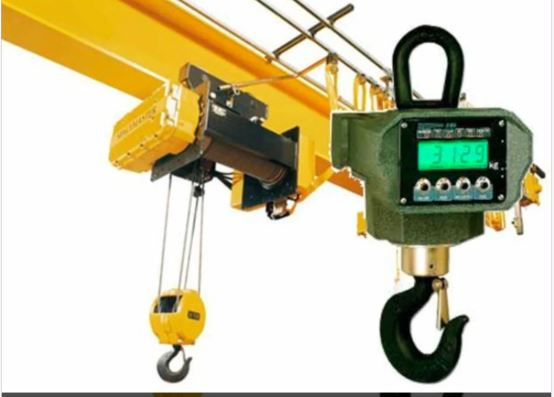 | Crane Load Indicators ₹87000 Price: ₹87,000/Piece The 50 Ton Crane Load Indicator from SmartITA Pvt. Ltd. View product → |
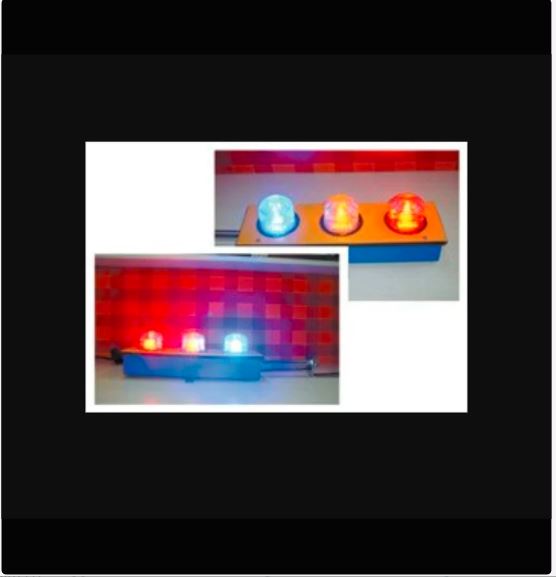 | Crane Load Indicators ₹62000 Price: ₹62,000/Piece The 20 Ton Crane Load Indicator from SmartITA Pvt. Ltd. View product → |
Frequently asked questions
What does a complete IoT safe-load system cost in Pune?
A catalogue price of ₹25,000–₹87,000 usually covers the indicator unit only. Ask suppliers to price measurement hardware, display, overload logic, installation, crane-specific engineering, 4G connectivity and cloud software separately.
What does IoT integration include for a crane safety system?
IoT integration connects crane measurements to a gateway, network and monitoring platform. The crane must retain local display and overload protection when the power supply, mobile network or cloud connection fails.
How do crane type and geometry affect safe load indicator pricing?
Crane type, boom length, radius, reeving arrangement, load-chart zones and installation conditions determine the sensors, inputs, calculations and engineering required. Compare quotes against the same crane geometry and operating envelope.
Which testing and compliance documents should you request?
Request calibration certificates, test records, the configured load chart, overload-trip verification, wiring drawings, sensor data sheets, installation records and a clear schedule for recalibration and maintenance.
How should you compare Pune suppliers and recurring ownership costs?
Compare the installed and commissioned system rather than the display price. Include calibration, sensor replacement, SIM or data charges, cloud subscriptions, software support, site visits and downtime in the ownership-cost comparison.
Related products
 | Safe Load Indicators for Cranes Safe Load Indicators for Cranes SmartITA Pvt. Ltd. designs and manufactures advanced Safe Load Indicators (SLI) for Cranes to improve operational safety and prevent crane... View product → |
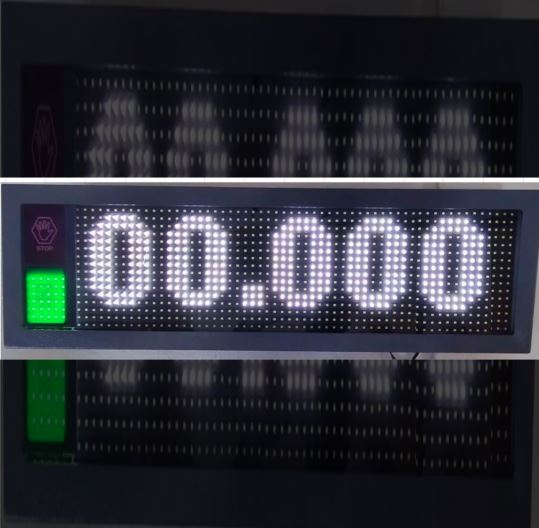 | Crane Safe Load Indicator ₹25000 Price: ₹25,000/Piece The Crane Safe Load Indicator (SLI) from SmartITA Pvt. Ltd. View product → |
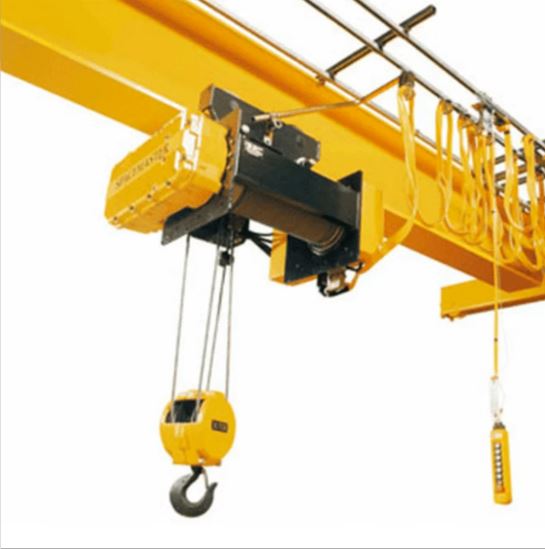 | Crane Load Indicators ₹48000 Price: ₹48,000/Piece The 10 Ton Crane Load Indicator from SmartITA Pvt. Ltd. View product → |
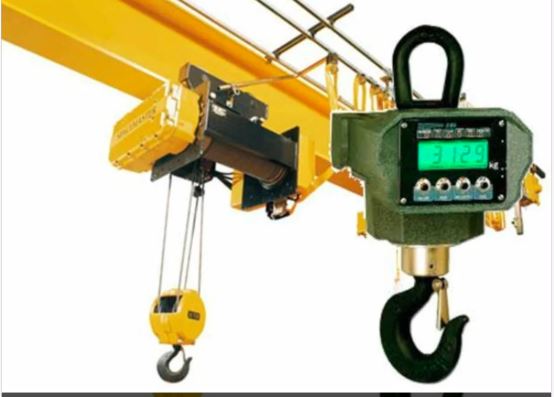 | Crane Load Indicators ₹35000 Price: ₹35,000/Piece The 5 Ton Crane Load Indicator from SmartITA Pvt. Ltd. View product → |