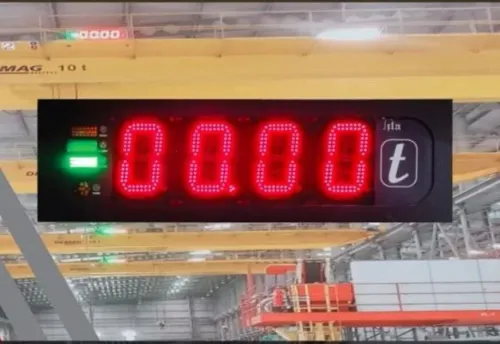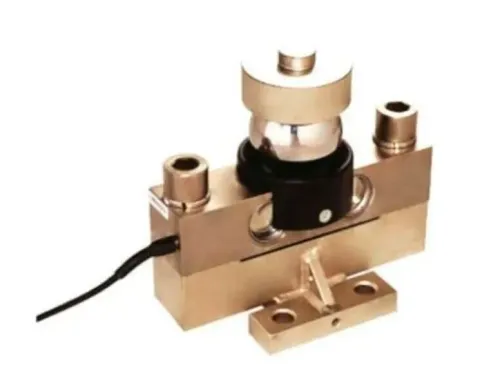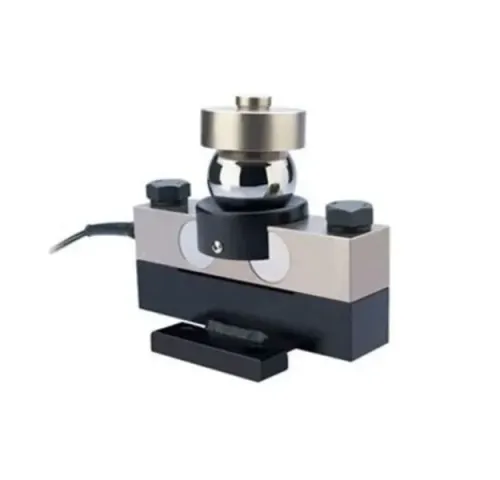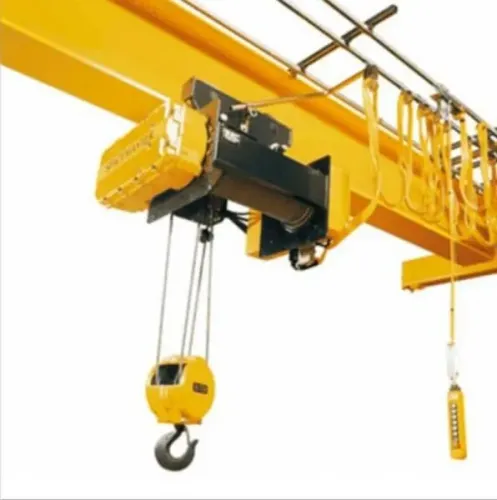
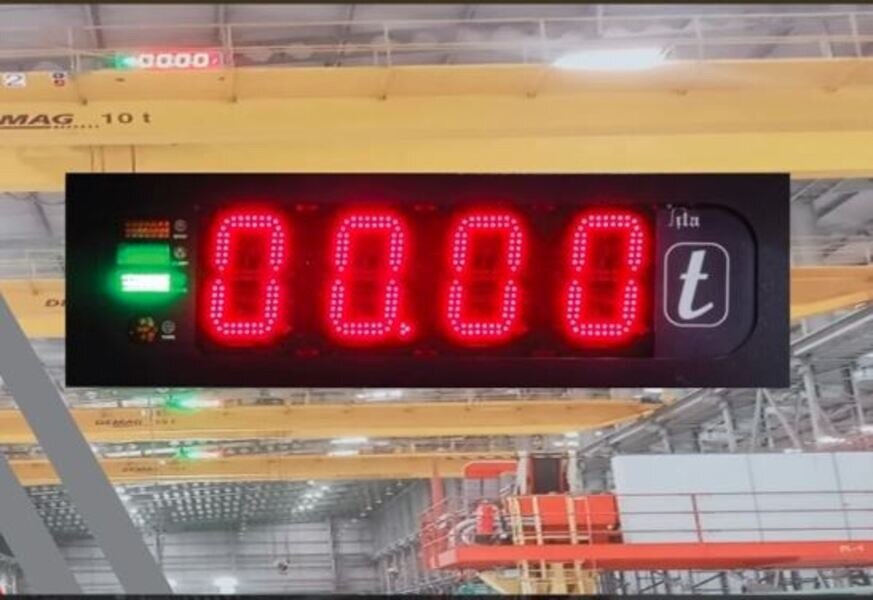
A 10-ton crane alarm does not prove that the suspended load is 10 tons, and a quiet indicator does not prove that the crane is safe. Use the crane’s actual configuration, load chart, sensor condition, wiring, power supply and calibration records to separate a genuine overload from a faulty reading, then decide whether the equipment can return to service.
Key takeaways
- Stop lifting and isolate the crane before investigating any indicator fault.
- Check power, wiring, sensors, display codes and alarm settings in that order.
- Confirm load, radius and boom angle before treating an overload warning as false.
- Use calibration records and inspection findings to choose repair or replacement.
What to check first when a 10-ton crane indicator shows a fault
Stop the lift, hold the load clear of people, and place it down only if lowering is safe. Treat a 10-ton crane safety indicator fault as an equipment fault until you verify the cause; do not silence the alarm, bridge a cut-out, disconnect a sensor, or continue on an estimated load.
- Record the fault code, time, displayed load, radius, boom length and angle, reeving, attachment, outrigger position and counterweight setting.
- Compare the displayed configuration with the crane’s physical setup and the manufacturer’s load chart. A 10-ton rating does not permit 10 tons at every radius; a 10 ton crane overload warning can indicate a radius, stability or structural limit before the hook reaches 10 tons.
- Check whether the alarm occurred unloaded, during boom movement, or only at one radius. An alarm at no load points toward configuration, wiring, sensor or calibration trouble; it does not prove an overload.
- Inspect the indicator power supply, visible plugs, cable damage, loose grounds and water or wash-down entry without reaching near moving parts or live terminals.
- Confirm that the load display changes plausibly when the crane is stationary; do not test it by lifting a heavier load. Check the event log and calibration status if the system permits safe access.
- Keep the crane out of service unless the manufacturer provides a documented temporary procedure. An overload warning is not an emergency stop: alarm, cut-out, rated-capacity percentage and anti-two-block functions are separate protections, and one working function does not prove the others work.
Fault-by-fault checks for displays, readings and alarms
A blank display, a false alarm and a missing alarm need different checks. Record the fault code, time, indicated load and radius before changing anything; this evidence separates a 10-ton crane safety indicator fault from a wiring or configuration error.
- Blank display: stop lifting and verify the indicator’s supply voltage, fuse, earth connection and isolator. Inspect plugs and cable glands for looseness, crushed insulation or monsoon moisture. Do not bypass the power circuit.
- Frozen reading: compare the display with boom movement and a known change in load. If it does not respond, inspect the load-cell cable, angle sensor, radius input and connectors; a failed input can hold the last value on screen.
- Erratic reading: look for damaged shielding, poor grounding, loose sensor mounting or cable movement across a hinge. Record whether the fluctuation follows slewing, booming or a particular radius.
- Zero drift: with the hook unloaded and stable, check for mechanical contact, a binding load cell, temperature effects and incorrect zero settings. A zero display alone does not prove calibration.
- Alarm at no load: compare boom length, angle, radius, counterweight, outriggers, attachment and reeving with the selected load-chart configuration. An incorrect setting can create a safe load indicator alarm problem without an overloaded crane.
- Missing alarm: stop the lift, verify the alarm threshold, displayed units, relay output, buzzer and cut-out circuit. Have a competent person perform a documented known-load test; never silence, bridge or disconnect the alarm and continue lifting.
How to tell a real overload from a false warning
A 10-ton crane overload warning is genuine when the measured load exceeds the rated-capacity chart for the crane’s actual position and setup. The crane’s “10 ton” label does not permit 10 tons at every radius.
1. Stop movement and record the indicated load, radius, boom angle, boom length, alarm code and selected configuration. Do not silence or reset the alarm until you compare those values with the manufacturer’s load chart.
2. Match the displayed setup to the crane: boom length, counterweight, outrigger position, attachment, hook block and reeving. A wrong reeving selection changes the calculated line pull and capacity; a wrong boom-length or outrigger selection can create a false alarm.
3. Check radius and boom geometry next. A damaged angle encoder, loose bracket, incorrect radius input or failed slew sensor can make the indicator calculate a low permissible capacity. The crane can reach a structural or stability limit well below 10 tons as radius increases.
4. If the alarm occurs with no suspended load, inspect the load-cell mounting, cable, connectors, grounding and supply voltage. A drifting or damaged sensor can report load that is not present.
If a known test load produces no alarm at the chart limit, stop the crane and arrange competent verification; never use the absence of an alarm as proof of capacity.
A safe load indicator alarm problem is confirmed only after representative load and radius tests verify the chart, displayed units, alarm threshold and motion cut-outs. Record the test configuration and results.
Pre-use inspection and safe operating checks in Pune
A 10-ton crane does not have a 10-ton safe limit at every radius. Before lifting, confirm that the safe load indicator has the correct boom length, angle, radius, counterweight, outrigger position, reeving and attachment settings for that crane.
1. Walk around the boom, load cell, angle sensor, radius sensor and junction boxes. Look for loose brackets, impact damage, corrosion, cracked housings and water marks.
2. After monsoon rain or wash-down, open only the inspection points permitted by the manufacturer. Check connector seals, cable glands, drain paths and plugs for moisture, mud or green corrosion. A dry display does not prove that water has not entered a connector.
3. Trace every indicator cable from sensor to display. Look for crushed insulation, stretched sections, loose clamps and a cable rubbing against the boom during movement. Dust can hide damage; clean externally without forcing water into plugs.
4. Switch on the system and confirm a stable no-load reading, visible configuration data, normal supply voltage and a working audible and visual alarm. Test only within the manufacturer’s stated procedure.
5. Record the time, fault code, indicated load, radius, weather exposure and recent cable or sensor work. This evidence makes crane indicator troubleshooting in pune more reliable than labelling every warning a calibration fault.
Stop the affected lift if the reading, alarm or configuration is wrong. Do not bridge a cut-out, disconnect a sensor or continue from an estimated load. For a 10 ton safe load indicator for problems in pune, use the manufacturer’s documented temporary procedure only if one exists.
When repair, calibration or replacement is the right decision
Do not approve calibration from a near-vertical test alone. A crane can pass at short radius while its radius sensor, boom-angle input or rated-capacity table is wrong at the working position.
For crane indicator troubleshooting in pune, ask the technician to record the as-found load, radius, boom length, boom angle, reeving, attachment, supply voltage and fault code. Test unloaded zero, several known loads and the alarm point across the configuration where the fault occurs, then compare the displayed capacity with the crane’s rated-capacity chart.
Keep the as-found and as-left results, test equipment identification and calibration date with the service record.
Choose repair when the cause is a damaged cable, loose connector, poor grounding, sensor bracket or power-supply fault. Choose recalibration when the hardware produces a stable signal but the zero, span, reeving factor or configuration values are wrong.
Replace the unit when the sensor or indicator is physically damaged, unstable, obsolete or outside its specified input range.
Before accepting a replacement, match:
- Sensor capacity and input range
- Excitation voltage and output type
- Connector pinout and cable arrangement
- Calibration constant and software configuration
- Reeving factor and rated-capacity tables
- Boom-angle, length and radius sensor compatibility
A “10 ton” label does not prove fit; a visually similar unit can generate a plausible unsafe reading. SMARTITA PRIVATE LIMITED should be assessed against these interface and configuration details, not its housing appearance or the phrase 10 ton safe load indicator for problems in pune.
Related products
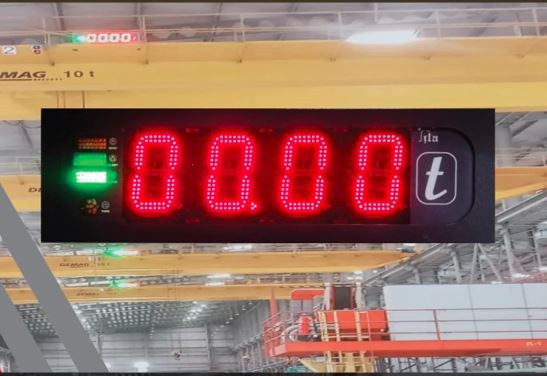 | Safe Load Indicator ₹48000 Price: ₹48,000/Piece The 10 Ton Safe Load Indicator (SLI) from SmartITA Pvt. Ltd. View product → |
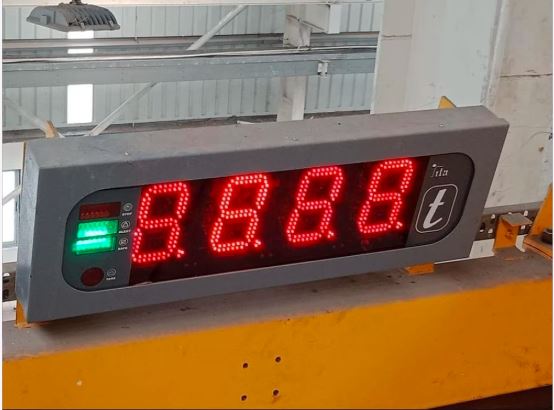 | Safe Load Indicator ₹35000 The 5 Ton Safe Load Indicator (SLI) from SmartITA Pvt. Ltd. For Automation is a reliable crane safety system designed to monitor lifting loads in... View product → |
Frequently asked questions
What should you check first when a 10-ton crane indicator shows a fault?
Stop the lift, keep people clear, and lower the load only when lowering is safe. Then isolate the crane and check the indicator power supply, fuses, connectors, sensor cables, display code and recent maintenance work. Never bypass the alarm or disconnect a sensor to continue lifting.
How can you tell a real overload from a false warning on a 10-ton crane?
Compare the actual load with the crane’s rated capacity for the current boom length, working radius, configuration and attachment. Check whether the load moment changes when radius or boom angle changes. If the reading remains implausible, inspect sensor wiring, calibration, mounting and the indicator’s configuration before lifting again.
What causes a safe load indicator alarm problem?
Common causes include low supply voltage, damaged cables, loose connectors, failed load or angle sensors, incorrect crane configuration, calibration drift and a genuine overload. Read the fault code, inspect the physical installation and verify the crane data against its load chart.
When should you repair, calibrate or replace a crane indicator?
Repair wiring, connectors, mounting and power faults when the indicator and sensors remain serviceable. Calibrate the system after sensor work, structural changes or readings outside the approved tolerance. Replace the indicator or sensor when testing confirms internal failure, repeated faults or damage that cannot be restored reliably.